Read how to detect and prevent hidden plumbing leaks in Pierce County homes
Plumbing leaks are one of the most common causes of water damage in homes. Some leaks are obvious, like water dripping under a sink. Others stay hidden for weeks or months, slowly damaging walls, floors, and cabinets.
Knowing how to spot the signs of a leak early can help protect your home. Just as important is knowing when a leak needs professional attention to avoid costly damage or failed repairs.
Common Causes of Plumbing Leaks
Most leaks start small and develop over time. In Pierce County homes, leaks often come from aging materials, pressure changes, or everyday wear and tear. Some of the most common causes include:
Worn seals and washers in faucets and fixtures
Corroded or aging pipes, especially in older homes
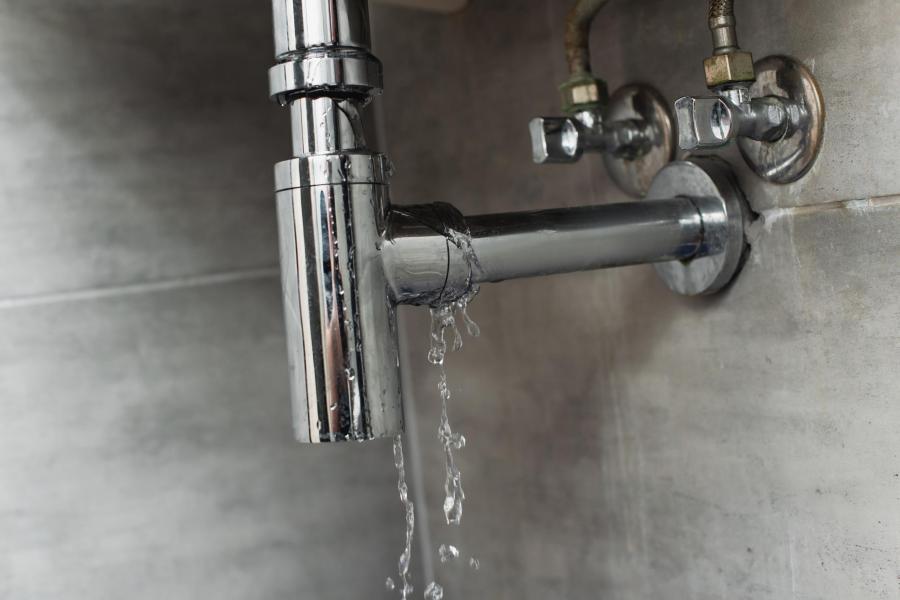
Loose fittings under sinks or behind appliances
Cracked pipes caused by freezing or shifting
Failing water heaters or shutoff valves
Even newer homes can develop leaks if fittings loosen or fixtures are not installed correctly.
Signs You May Have a Hidden Leak
Not all leaks are visible. Many homeowners first notice a leak through changes in their home rather than seeing water directly. In Pierce County’s damp climate, hidden leaks can contribute to mold growth if left unaddressed. Watch for signs like:
Water stains on ceilings, walls, or floors
Peeling paint or bubbling drywall
Musty smells or damp areas that never dry
Warped flooring or soft spots underfoot
A sudden increase in your water bill
Use this chart to match common leak symptoms with possible causes and recommended next steps.
There are a few simple steps homeowners can take to look for obvious leaks without tools. Start by:
Checking under sinks for moisture or corrosion
Inspecting around toilets and the base of tubs and showers
Looking behind washing machines and dishwashers
Listening for dripping or running water when fixtures are off
You can also check your water meter. Turn off all water inside your home and see if the meter continues to move. If it does, there may be a hidden leak somewhere in the system.
Areas Where Leaks Commonly Hide
Leaks often occur in hard-to-see or hard-to-access areas. These areas are also where DIY repairs can cause additional damage if handled incorrectly.
Common hidden leak locations include:
Inside walls behind showers or sinks
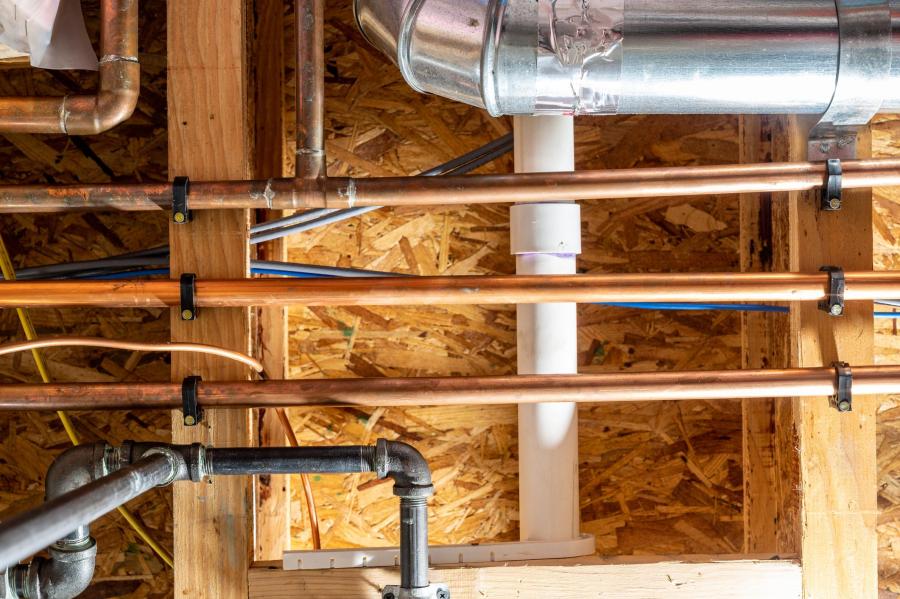
Under floors or inside crawl spaces
Around water heater connections
Inside cabinets where pipes pass through walls
Underground supply lines
Finding leaks in these areas usually requires experience and specialized tools to avoid unnecessary damage.
Why DIY Leak Repairs Can Be Risky
While tightening a loose fitting may seem simple, many leaks are symptoms of a larger problem. Temporary fixes can mask the issue while water continues to damage your home.
DIY repairs can lead to:
Cracked fittings or stripped threads
Improper sealing that fails under pressure
Missed leaks behind walls or under floors
Water damage that worsens over time
In some cases, attempting a repair without locating the true source of the leak can make the problem more expensive to fix later.
How Professionals Find Leaks
Licensed plumbers use a combination of experience and tools to accurately locate leaks. The goal is to find the source with as little disruption to your home as possible.
Professional leak detection may include:
Visual inspections and pressure testing
Moisture detection equipment
Targeted access instead of cutting open large areas
Evaluating pipe condition and system design
This approach helps protect walls, floors, and cabinets while addressing the real issue.
Solutions for Plumbing Leaks
The right solution depends on the cause and location of the leak. Some repairs are straightforward, while others require replacing sections of pipe or fixtures. Common solutions include:
Replacing worn seals or valves
Repairing or replacing damaged pipe sections
Updating aging plumbing materials
Addressing pressure or installation issues
Preventative repairs to reduce future leaks
A proper repair should stop the leak and reduce the risk of a recurrence.
When to Call a Professional Plumber
If you notice signs of a hidden leak, recurring moisture, or water damage, it is best to call a licensed plumber sooner rather than later. The longer a leak continues, the more damage it can cause to your home. Professional help is especially important when:
The leak source is not visible
Water damage is spreading
Multiple fixtures are affected
You are unsure how to shut off the water safely
Early professional intervention can help protect your home and prevent more costly repairs.
Protecting Against Water Damage
Finding and fixing leaks early is one of the best ways to protect your home. Regular inspections, prompt attention to small issues, and professional help when needed can make a big difference.
If you suspect a plumbing leak or want peace of mind, GTG Plumbing can help locate the issue and recommend the right solution. Serving homes in Pierce County, our team focuses on accurate diagnoses and repairs that last.
Updated: Jan 21, 2026 Author: Gary Gustafson Location: Lakewood, WA
Yes. Even slow leaks can damage drywall, flooring, cabinets, and framing over time. In damp climates like Pierce County, hidden moisture can also contribute to mold growth if left unaddressed.
Signs of hidden leaks include water stains, bubbling paint, musty odors, warped flooring, or unexplained increases in your water bill. If these signs appear without a visible source, the leak is often behind walls, ceilings, or floors.
Simple issues like a loose faucet handle may be manageable, but leaks without a clear source are best evaluated by a professional. Attempting repairs without locating the true cause can lead to missed leaks or additional damage.